The Legend of Wawatosa
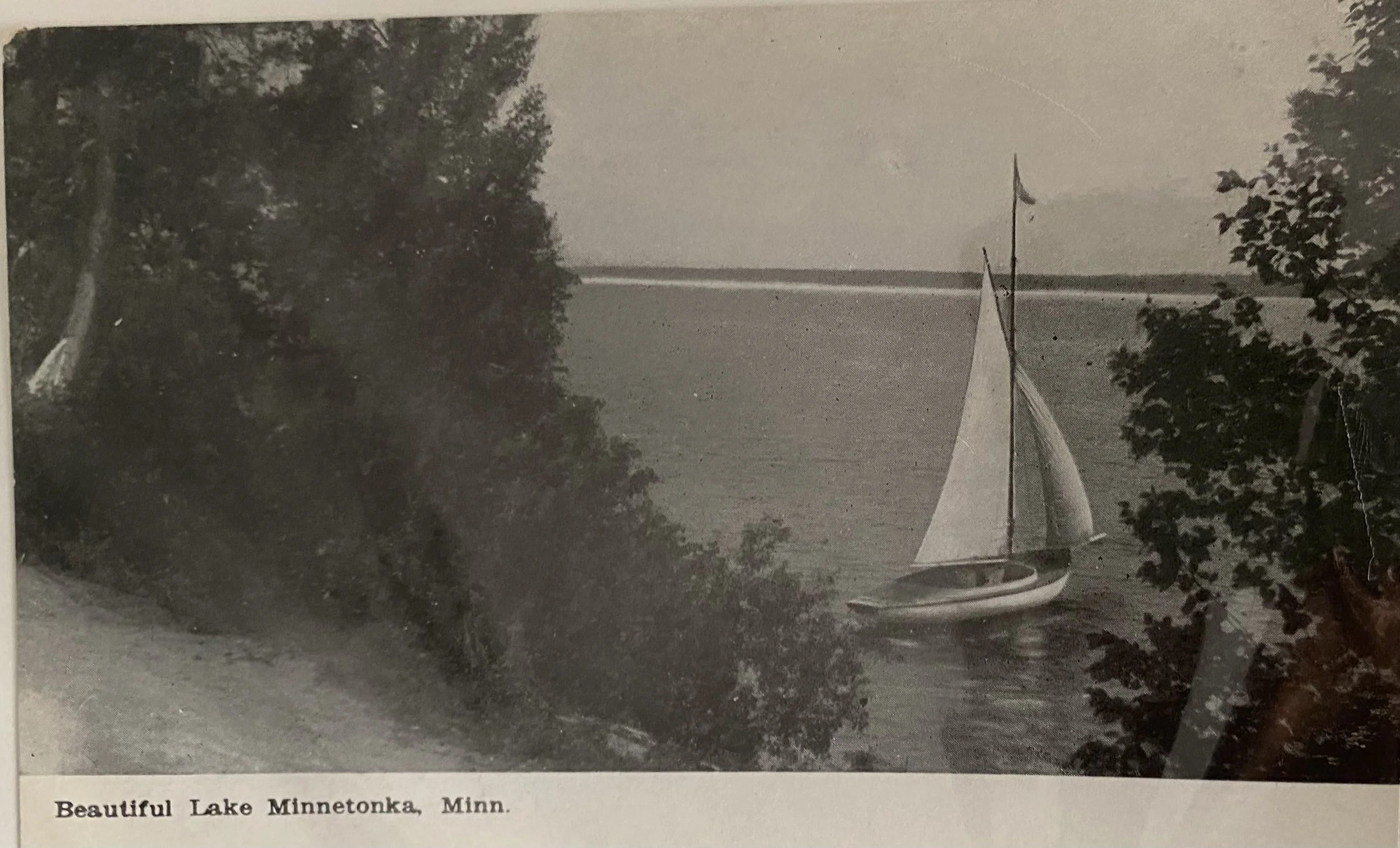
As February comes to a close, we feel it’s only appropriate to make one more mention at the stories of love on Lake Minnetonka. After all, some might consider Valentine’s to be a whole month in itself, rather than just a single day!
You may be hard pressed to find a Lake Minnetonka resident who hasn’t at least heard of Wawatosa Island, which is a defining feature of the Upper Lake area. As part of a larger chain of islands Wawatosa is, perhaps, the third most visited public island on the lake after Big Island and Goose Island. In the summertime, if we’re not home, Wawatosa is where you’d be most likely to find my girlfriend and I. For us, the island represents more than just a quick destination for a swim or picnic. It’s a cornerstone to our Lake Minnetonka experience and a driver for our passion toward the area.
Yet, with as popular as the destination is, you may be hard pressed to find a sunbather or captain who knows where the name Wawatosa(1) comes from. The legend of Wawatosa is one of passion, loss, and forbidden love. Not wholly unlike Shakespeare’s classic tale of Romeo and Juliet. . .
In the decades preceding large scale settlement in Excelsior and Wayzata, the Minnetonka area was largely the land of the Natives and the occasional fur trapper and woodsman. One such trapper had settled the island and built a log cabin for himself. However, unlike other traders such as the famous hunter on Starvation (now Brackett’s) Point who lived alone, this trapper had his daughter to keep him company in the sparsely populated Minnetonka woods. While her father was out gathering and hunting, she tended to the cabin and island with only the birds and trees to keep her company. Yet, she was not always alone.
She was often visited by the Natives who seemed to adore her presence and, adoringly, called her Waubese, The White Swan. Young braves would bring her gifts of flowers, berries, and wild caught game, leaving them on the cabin’s doorstep. One young warrior, Wawatosa, saw more in her than simply a friend or distant admiration. His was a deep passion that drove him to her like no other. Her father, however, would have nothing to do with Native suitors coming for his daughter and would threaten any who attempted to court her.
In her free time, White Swan could be seen expertly maneuvering a birchbark canoe across the mirror-like waters around the island and taking jaunts to the mainland shallows, where gorgeous water lilies grew en masse. One morning, while her father was away, White Swan went to the shore and pushed her canoe into the water for a trip around the lake. As she paddled and time passed her by, storm clouds began to darken the horizon. As the winds picked up, she could see all manner of birds flying overhead to take refuge in their perches, while the water below began to stir and pitch her little canoe. White Swan began to hurriedly make her way home as the storm reached a crescendo and she found herself utterly powerless against the strength of nature. In a flash, the roaring waves consumed her canoe and sent her tumbling into the angry water, where she was left to her own devices. Even though a powerful swimmer, she weighed down by her heavy woolen clothes and began to tire in her struggle, their weight pulling her down below the surface.
On shore, Wawatosa had been watching the little canoe approaching but hadn’t realized White Swan was its occupant until he saw her be thrown overboard. Briefly praying to the Great Spirit he dove into the water and made his way to her, pulling her back above the waves and struggling to return her to safety on the island. He laid her down and rubbed her forehead and wrists but saw no signs of life. Overcome with sorrow, he belted a death chant into the skies and to the Great Spirit.
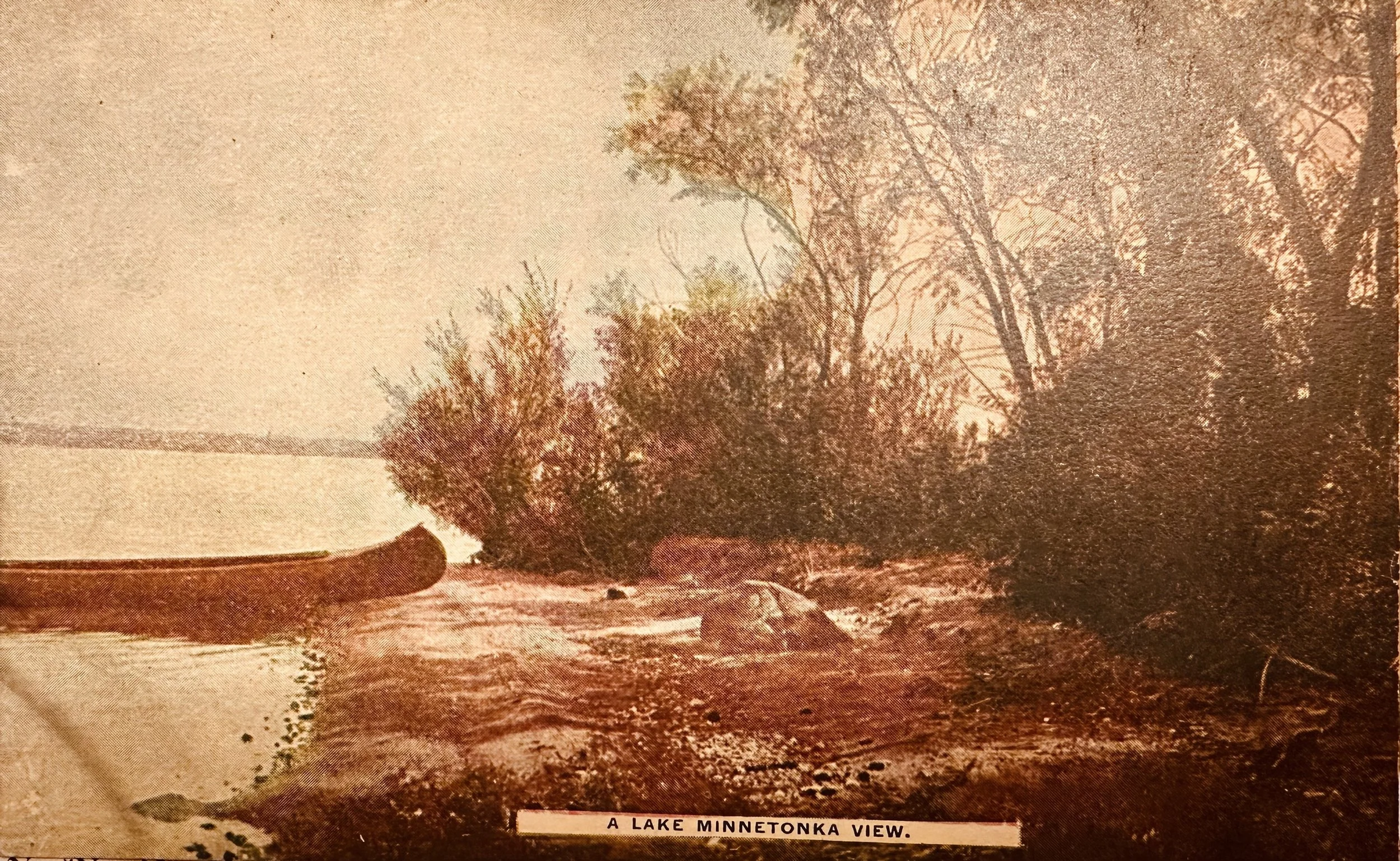
Returning to his cabin to find it empty, the trapper went on a search for his daughter and, upon reaching shore, he realized her canoe was gone. Surely, no canoe could have survived the storm and, in that moment, he heard Wawatosa’s wails on the island’s distant shore. In a panicked haste, he shoved his way through the forest’s thick underbrush until he was upon them. As he approached, he saw Wawatosa calling to the Great Spirit and, in a moment of great anguish, raised his rifle and fired on the wailing warrior. In that moment, and with a single groan, Wawatosa fell to the ground. Simultaneously the sudden crack of gunfire roused White Swan from her unconscious state, who was greeted to the scene of her father’s aimed rifle and her dead lover. In an instant, she was flooded with grief as she desperately explained the warrior’s heroism in saving her from certain death. Realizing his mistake, they bowed their heads and prayed to their God for forgiveness and thanks to the fallen warrior. They vowed to God to atone for the sin of killing Wawatosa and buried the man there on the island, marking his grave with large stones brought from the water’s edge. Out of reverence for him, they named the island Wawatosa and lived simply on its rolling hills forever more. . .
While the story of Wawatosa is an enchanting story of love and loss, it’s also likely a fabricated one. During the late 19th and early 20th centuries, tourism was a boon for the Minnetonka area and anything that could bolster the industry was popularized across the locale. It’s quite likely that this is a hyper localized version of the Romeo and Juliet story we mentioned earlier. Upon closer analysis, the two share a remarkable number of similarities. Despite this, the name Wawatosa persists in our community and, while likely untrue, it is a wonderful tale to entertain guests on an afternoon’s cruise. So long as you follow it up with the caveat of its origin.
As February and Valentine’s leaves us behind, we look forward to March and the approaching excitement of springtime. We’ve got some great tales in store for you that we’re excited to be sharing. If you don’t want to miss them, feel free to subscribe to our newsletter below for early access to all that the Minnetonka Minute has to offer!
Footnotes:
Sometimes also known was Wawatossa or Wawatasso, though both are significantly less common.
Bibliography of Sources:
Picturesque Minnetonka, S.E Ellis, 1906
Images sourced from the Minnetonka Minute private archive