Beneath the Surface: Speaking With Documentarians
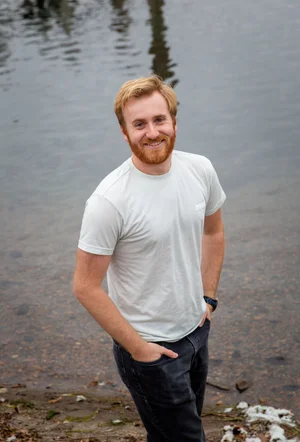
When diver Kelly Nehowig met filmmaker Bob Nye through local historian Paul Maravelas, it didn’t take long for the two to realize they shared a common purpose. Though their backgrounds were different, both were driven by the same goal: using their skills to give back to the community.
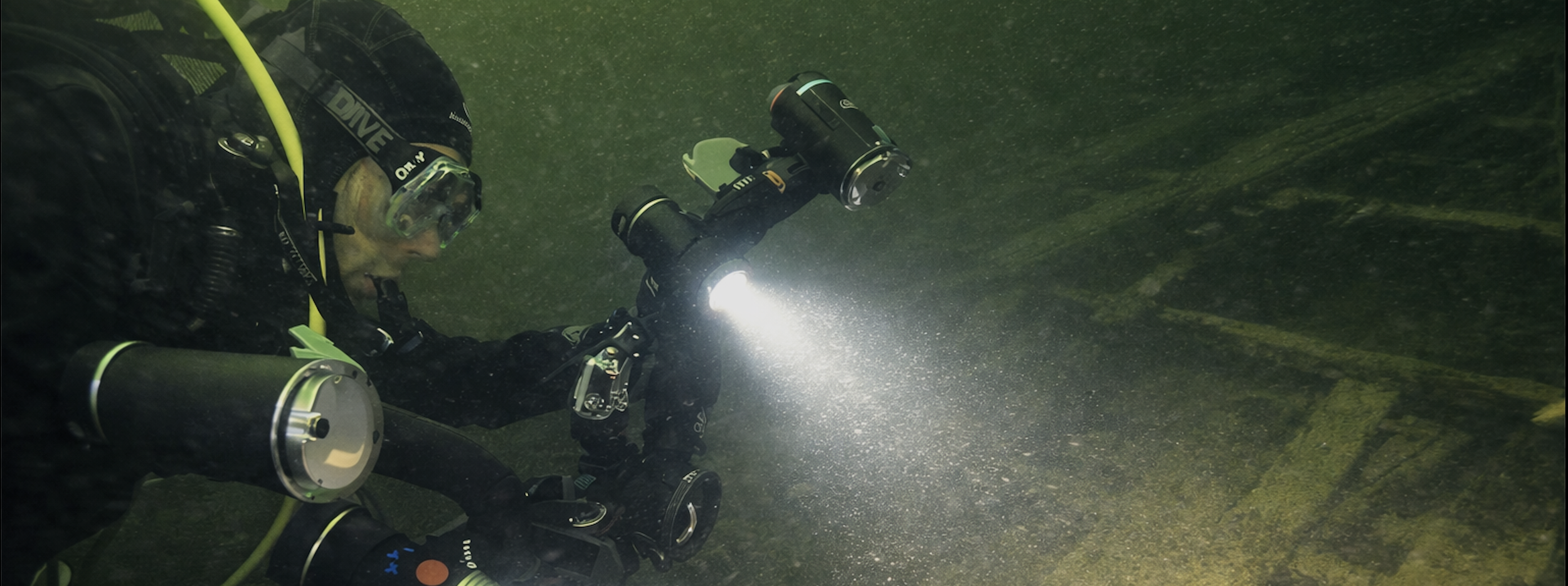
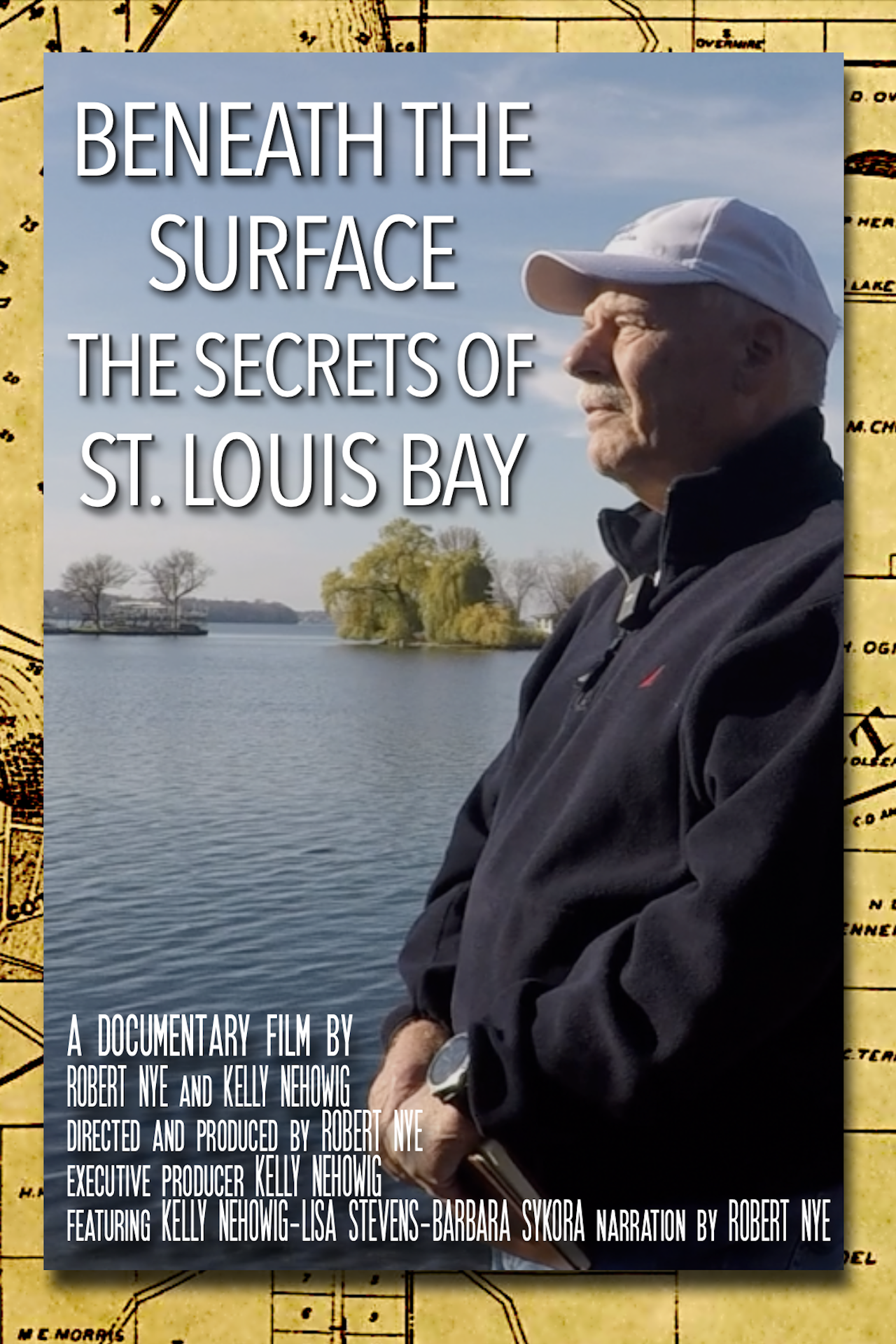
After years of diving Lake Minnetonka, Nehowig had assembled an extraordinary collection of underwater photos and video documenting wrecks scattered across the lakebed. Nye had the production experience to transform that footage into something accessible and educational. The result was Beneath the Surface: The Secrets of St. Louis Bay, a documentary focused on the history in and around one of Minnetonka’s most historically significant bays: St. Louis Bay. Since its mid-2025 release, the film has aired on Twin Cities PBS roughly twenty times.
Nehowig’s experience beneath the surface could warrant its own feature. Over hundreds of volunteer dives with archaeologists Christopher Olson and Ann Merriman of Maritime Heritage Minnesota (MHM), he has captured dozens of sunken relics on film. In the past two decades, MHM has conducted extensive sonar scans and identified ninety-seven wrecks resting on the lakebed — not just boats, but ice houses, cars, snowmobiles, and other remnants of the lake’s active past. While MHM focuses on professional archaeological documentation, Nehowig has become increasingly passionate about ensuring that the work MHM has conducted is shared with the public.
When asked whether Lake Minnetonka is archaeologically unique among Twin Cities metro lakes, both Nehowig and Nye answered with an immediate “yes.” Nehowig believes Minnetonka holds the highest concentration of historically significant wrecks in the area. Through his company, Trident Sciences, which specializes in underwater exploration and marine tech development, he has helped make those submerged sites visible. Nye, who recently retired from a career in business administration and HR management, brings his earlier background in professional filmmaking to a renewed passion of storytelling through film. Without his knowledge and ability to craft a captivating story, it’s quite likely that these projects wouldn’t have been brought to the public’s eye.
In January 2026, the pair released their second film, Beneath the Surface: Steamboat Wrecks of Big Island. The 23-minute documentary explores the steamboats scuttled off Big Island’s northern shore between 1910 and 1949 — including the Steamboat Minnehaha, intentionally sunk there in 1926.
For Nehowig, these films fulfill a long-held hope of making Minnetonka’s hidden history accessible. For Nye, combing through archival images and records has deepened his appreciation for the lake’s influence on the growth of the Twin Cities’ outer metro and beyond.
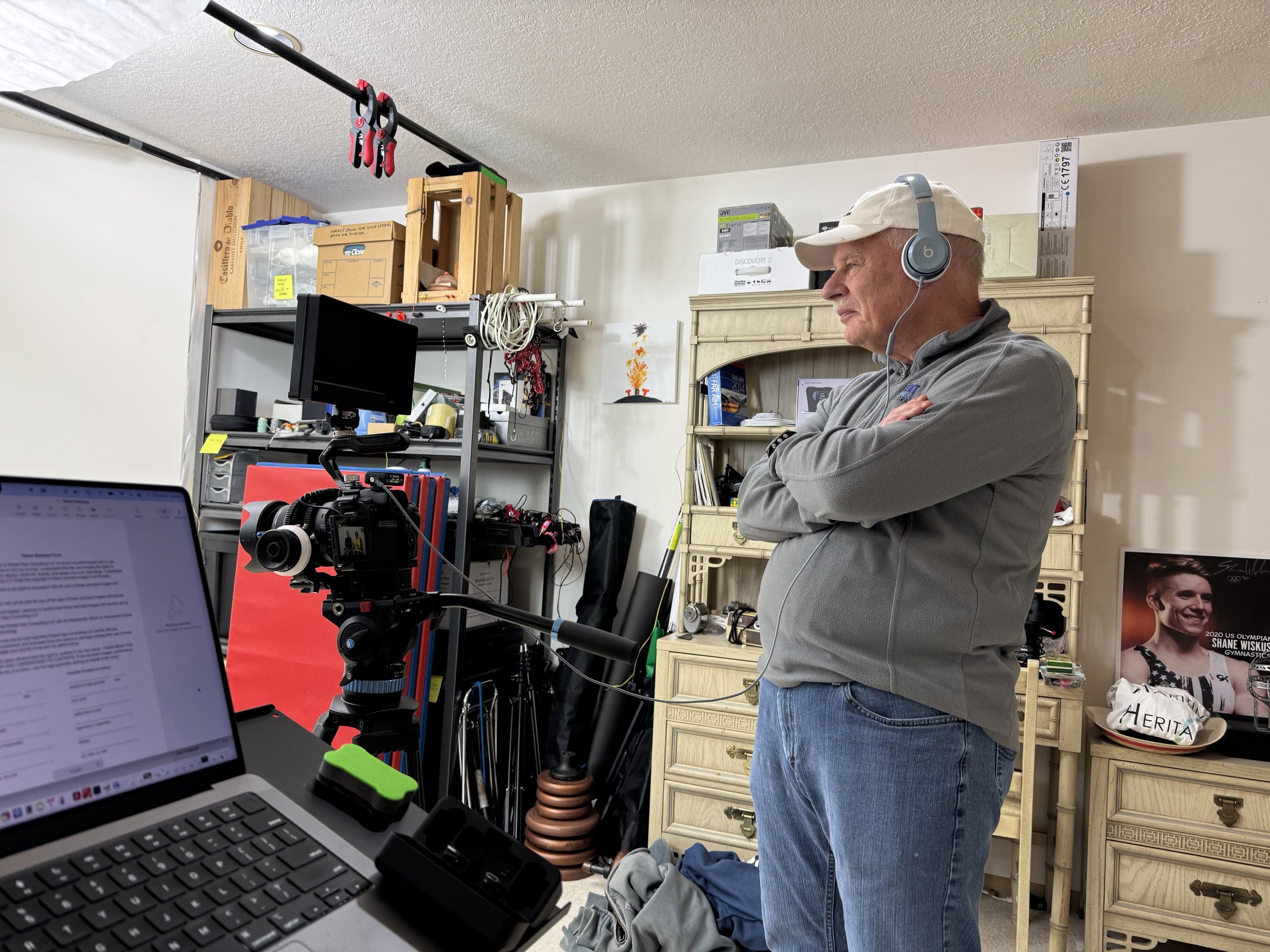
Nehowig & Nye together in the studio.
That work carries particular weight today. Over the past century, redevelopment and rapid housing growth have reshaped much of the area, leaving relatively few historically preserved buildings — and only one historically significant ship still intact. In many ways, the lake itself has become one of the community’s most important historical archives.
Nehowig and Nye see their documentaries as a labor of love, created not for profit but for preservation. “We hope people enjoy it and find it interesting,” Nehowig says — but the impact may go deeper than that. By bringing these submerged stories to light, they are helping ensure that Minnetonka’s past remains part of its future.
Looking ahead, the duo plans to begin work on a documentary focused on a 1954 plane crash in Forest Lake that claimed the life of an Air Force pilot. They may also collaborate with the Lake Minnetonka Historical Society as it advances plans for the future of the Steamboat Minnehaha. In the meantime, Nehowig will continue diving “as soon as the ice allows,” while Nye continues to film and edit local historical events.
If you haven’t yet seen their Beneath the Surface documentaries, we’ve linked them below. Beneath the water’s surface lies a remarkable record of who we’ve been — and thanks to their work, it’s no longer out of sight.